
Cross-Cutting

The dramatic action switches quickly between different scenes in the same space.
Cross-cutting is a drama strategy similar to the use of the split-screen technique in films, when two or more scenes are shown simultaneously. This makes it possible to juxtapose scenes that happen at different times or in different places, using separate areas of the performance space.
The technique is used to highlight or contrast a particular theme or aspect of the story. Using different groupings, both scenes can happen on stage at the same time, or one can be frozen while the other comes alive. This can have a similar effect to spotlighting individual areas of the stage.
Why use it?
Cross-cutting is invaluable for analysing themes in the performance of a drama by directly comparing or contrasting elements of the story.
Introducing Augusto Boal
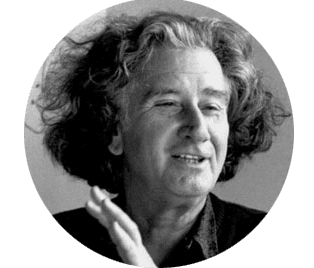
Three full-length practical sessions introducing the work of the Brazilian theatre maker who revolutionised theatre. The article introduces the concept of Image Theatre, Forum Theatre and Theatre of the Oppressed and includes activities such as The Great Game of Power, Status Pictures, Flashbacks, Complete the Image and Rainbow of Desire as well as a handy glossary. Suitable for 11 years and above. Written by David Farmer for Teaching Drama magazine.
Buy the 5-page Augusto Boal Drama Unit (PDF) for just £5.49 with credit/debit card, PayPal, Apple Pay or Google Pay.

10 Second Teaching Tips
3D Living Pictures
Action Clip
Conscience Alley

Cross-Cutting
Developing Freeze Frames

Drama For Writing
Flashbacks and Flash Forwards

Forum Theatre

Freeze Frames
Hot Seating

Hot Spotting / Magic Microphone
Image Theatre
Mantle of the Expert
Marking the Moment
Role on the Wall

Storytelling

Thought Tracking

Where Do You Stand?
Whoosh! Bringing Stories Alive through Drama
10 Second Teaching Tips
3D Living Pictures
Action Clip
Conscience Alley
Cross-Cutting
Developing Freeze Frames
Drama For Writing
Flashbacks and Flash Forwards
Forum Theatre
Freeze Frames
Hot Seating
Hot Spotting / Magic Microphone
Image Theatre
Mantle of the Expert
Marking the Moment
Role on the Wall
Storytelling
Thought Tracking
Where Do You Stand?
